


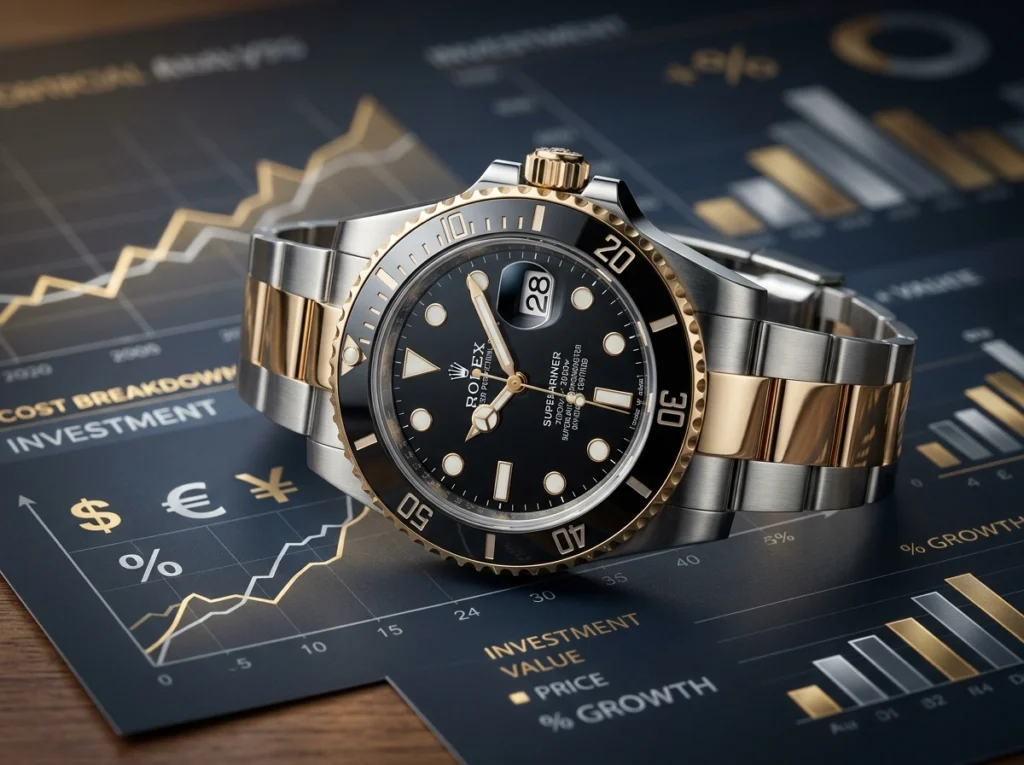

The watch world has changed a lot over the past decade. While genuine Rolex timepieces still command prices that climb into the tens of thousands, a growing number of buyers are turning to super clones. These high-grade replicas promise the look, feel, and movement quality of the real thing at a fraction of the price.
But what exactly are you paying for when you buy one? The answer is more layered than most people expect. Let’s break down the real costs, the factors that drive them, and what you should consider before spending a single dollar.
What “Super Clone” Actually Means
Not all replicas are created equal. The term “super clone” refers to the top tier of replica watches. These are not the flimsy fakes you might find in a tourist market. Instead, they aim to match an authentic Rolex as closely as possible in weight, materials, finishing, and internal mechanics.
A true super clone often uses 904L-grade stainless steel, sapphire crystal, and a cloned automatic movement designed to mirror the original caliber. Some sellers go as far as replicating serial numbers, engravings, and even the smooth sweep of the second hand.
This level of detail is exactly why prices vary so widely. You’re paying for precision, and precision costs money.
The Core Price Range
Most super clone Rolex models fall somewhere between $300 and $1,200. The price depends heavily on the model, the movement inside, and the maker behind it.
Here’s a rough breakdown of where your money tends to go:
- Entry-level super clones ($300–$500): Solid build quality, decent movement, accurate dial details. Good for casual wear.
- Mid-tier super clones ($500–$800): Better movement accuracy, improved water resistance, and finishing that holds up to close inspection.
- Top-tier super clones ($800–$1,200): Premium materials, the most accurate cloned movements, and craftsmanship that rivals the genuine article in everyday use.
The jump in price between tiers usually reflects the quality of the movement and the consistency of the finishing.
Breaking Down the Real Costs
Understanding the price tag means understanding what goes into making one of these watches. Several cost drivers shape what you ultimately pay.
1. The Movement
The movement is the heart of any watch, and it’s often the single biggest cost factor. Cheaper clones use generic automatic movements that may run inaccurately or wear out faster.
High-end super clones use cloned movements built to mimic Rolex calibers like the 3135 or 3235. These movements cost more to produce because they require tighter tolerances and better components. A well-made movement can keep time within a few seconds per day, which is a major reason buyers pay extra.
2. Materials
Genuine Rolex watches use 904L steel, a corrosion-resistant alloy that’s harder to machine than standard 316L steel. The best super clones use the same grade, which raises production costs but delivers the right weight and shine.
Sapphire crystal, ceramic bezels, and proper lume application also add to the bill. Lower-priced clones often cut corners here, using mineral glass or cheaper coatings that fade over time.
3. Finishing and Assembly
Hand-finishing is labor-intensive. The polishing, brushing, and detail work on a high-grade clone takes skill and time. Factories that employ experienced assemblers charge more, and that cost passes to you.
The difference shows up in the small things: clean engravings, properly aligned dials, and smooth bracelet links. These details separate a forgettable replica from a convincing one.
4. Quality Control
Reputable sellers inspect each piece before shipping. This quality control step weeds out defective units and ensures the watch matches its description. It adds cost, but it also reduces your risk of receiving a dud.
Where to Buy and What to Watch For
The marketplace for these watches is crowded, and quality varies enormously between sellers. Doing your homework matters. If you’re researching options for super clone rolex for sale, look for vendors who provide clear photos, detailed specifications, and honest descriptions of the movement and materials used.
A trustworthy seller will tell you exactly what caliber the watch uses, what grade of steel it features, and what kind of warranty or after-sales support they offer. Vague listings with stock photos are a red flag.
Hidden Costs You Should Expect
The sticker price isn’t always the final price. Several additional costs can creep in.
- Shipping and customs: International orders may face customs fees or delays. Some packages get held or seized depending on your country’s import rules.
- Servicing: Like any mechanical watch, a super clone needs occasional servicing. Finding a watchmaker willing to work on a replica can be tricky and may cost extra.
- Replacement parts: If something breaks, sourcing parts can be difficult. Factor this into your long-term budget.
Planning for these expenses keeps you from being surprised later.
Quality Factors That Justify the Price
When you compare two super clones at different price points, certain features explain the gap. Pay attention to these markers of quality:
- Movement accuracy: A good clone keeps time reliably. Test it over several days if you can.
- Weight and balance: A genuine-feeling watch has heft. Lightweight pieces often signal cheaper materials.
- Dial and date alignment: Precise alignment reflects careful assembly.
- Bracelet feel: Smooth, solid links with secure clasps indicate better construction.
- Water resistance: Higher-grade clones offer real, tested resistance rather than just a label.
These factors are where your extra dollars actually go.
Understanding the Risks
Buying a super clone comes with risks worth acknowledging. Quality is inconsistent across the market, and even careful research won’t guarantee a flawless product.
There’s also the legal angle. Selling counterfeit goods is illegal in many places, and customs authorities may confiscate shipments. While owning one for personal use rarely leads to trouble, the supply chain operates in a legal gray area.
Finally, there’s the matter of expectations. A super clone can look stunning, but it will never carry the resale value, brand prestige, or long-term investment potential of a genuine Rolex.
Is It Worth the Money?
The answer depends on what you want. If you crave the aesthetic and feel of a luxury watch without spending five figures, a well-made super clone delivers impressive value. For around $800, you can wear something that turns heads and performs reliably.
But if you view a watch as an investment or a status symbol backed by authenticity, no replica will satisfy you. Genuine Rolex watches hold and often grow in value, something no clone can replicate.
Final Thoughts
The real cost of a super clone Rolex goes beyond the price tag. You’re paying for movement quality, materials, finishing, and the assurance that comes with a reputable seller. The best pieces command higher prices because they earn them through craftsmanship.
Before you buy, set a clear budget, research your seller thoroughly, and understand both the hidden costs and the risks involved. Do that, and you’ll know exactly what you’re getting for your money, no surprises and no regrets.
A smart purchase starts with knowing what drives the price. Now that you understand the breakdown, you’re in a far better position to spend wisely.