

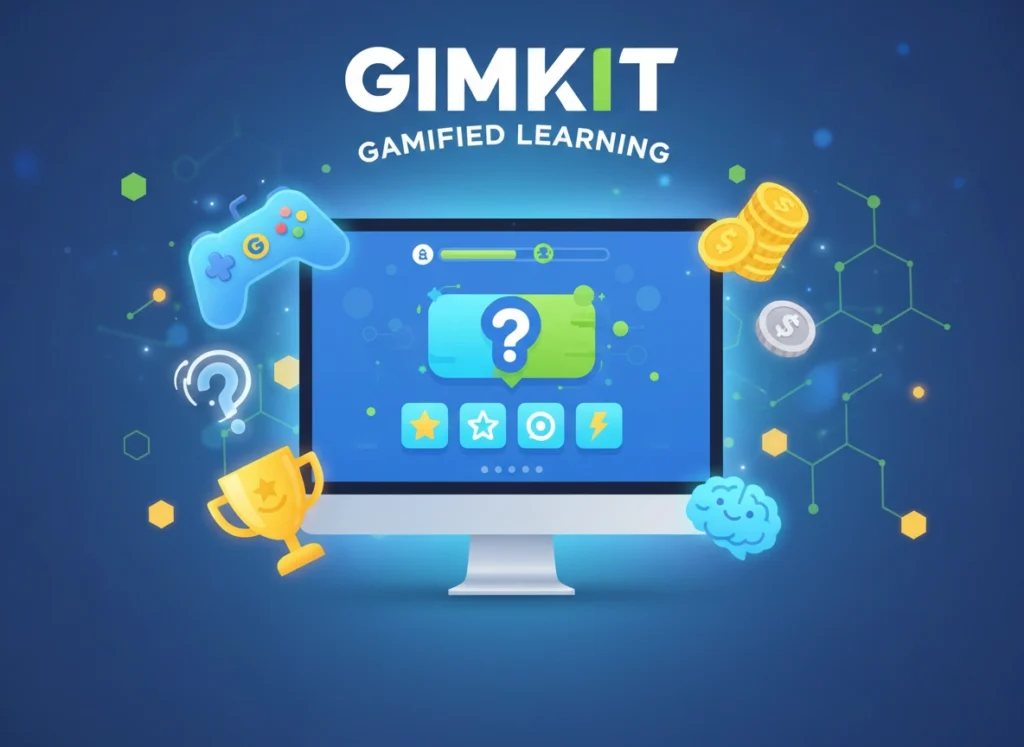

Keeping students engaged and motivated can be a constant challenge for educators. Traditional teaching methods don’t always capture the attention of today’s digitally native learners. This is where gamified learning enters the picture, transforming the educational experience by integrating game mechanics into non-game contexts. One platform leading this charge is Gimkit, a tool designed by a high school student to make learning feel more like a game. By blending quiz-based learning with strategic gameplay, Gimkit offers a powerful solution that captivates students and enhances learning outcomes.
This article will explore the core benefits of using Gimkit for gamified learning. We will examine its unique features, discuss its impact on student engagement and knowledge retention, and look at how educators are using it to create dynamic and effective classroom environments.
What is Gamified Learning?
Before diving into Gimkit, it’s important to understand the concept of gamified learning. It is not simply about playing games in the classroom. Instead, gamification involves applying game-design elements like points, leaderboards, badges, and competition to educational activities. The goal is to leverage the motivational power of games to make learning more engaging and intrinsically rewarding.
When students are engaged, they are more likely to participate, persist through challenges, and retain information. Research consistently shows that this approach can boost motivation and improve academic performance. Gamification taps into fundamental human desires for achievement, competition, and reward, creating a positive feedback loop that encourages continuous learning and effort.
Introducing Gimkit: A New Wave of Classroom Engagement
Gimkit is a live learning game show platform that allows educators to create and host interactive quizzes, or “Kits.” What sets Gimkit apart from other quiz tools is its unique economic and strategic layer. Students answer questions to earn in-game currency, which they can then use to purchase upgrades and power-ups. This adds a compelling dimension of strategy that goes beyond simply answering questions correctly.
Created by Josh Feinsilber while he was a high school student, Gimkit was born from a desire to make classroom review sessions more exciting. Its “for students, by a student” origin is evident in its design, which deeply resonates with young learners. The platform has since evolved into a robust tool used by millions of educators and students worldwide, offering a variety of game modes that cater to different learning objectives and classroom dynamics.
Key Benefits of Using Gimkit in the Classroom
Gimkit’s blend of quizzing and strategic gameplay provides numerous advantages for both students and teachers. These benefits transform the learning process from a passive activity into an active, exciting experience.
Boosting Student Engagement and Motivation
The most immediate and noticeable benefit of Gimkit is its effect on student engagement. The fast-paced, competitive nature of the games grabs students’ attention from the start. The addition of in-game currency and strategic upgrades motivates them to answer questions not just for points, but to gain an advantage in the game. This creates a powerful incentive to participate actively throughout the entire session.
Instead of passively listening or dreading a review session, students become eager participants. The cheers, groans, and strategic discussions that fill a classroom during a Gimkit game are a testament to its ability to make learning genuinely fun.
Reinforcing Knowledge and Improving Retention
Repetition is key to long-term memory, but traditional drills can be monotonous. Gimkit makes repetition enjoyable. As students answer questions to earn currency, they are repeatedly exposed to the core concepts of a lesson. The platform’s algorithm ensures that students see questions they answered incorrectly more frequently, providing targeted practice where it’s needed most.
This continuous loop of answering, earning, and strategizing helps solidify knowledge in a low-stakes environment. Students are so focused on the game that they often don’t realize how much they are learning and reviewing. The active recall required to answer questions quickly is a proven method for strengthening neural pathways and improving long-term retention.
Developing Strategic Thinking Skills
Gimkit is more than a simple quiz game; it’s an exercise in resource management and strategic decision-making. Students must decide how to spend their hard-earned currency. Should they invest in an upgrade that increases their earnings per question? Or should they save up for a power-up that can give them a late-game advantage?
These choices teach valuable skills beyond the academic subject matter. Students learn to weigh risks and rewards, plan ahead, and adapt their strategies based on the game’s progress and the actions of their peers. This layer of critical thinking adds depth to the experience and engages students who thrive on strategy and competition.
Catering to Diverse Learners
Classrooms are filled with students who have different learning styles and preferences. Gimkit’s various game modes offer flexibility to cater to this diversity. Classic mode encourages individual competition, while team mode promotes collaboration and communication. In team mode, students pool their earnings and work together, fostering a sense of shared purpose.
Furthermore, game modes like “The Floor is Lava” or “Trust No One” introduce unique rules and social dynamics that appeal to different student personalities. This variety ensures that nearly every student can find a mode that they enjoy, making the learning experience more inclusive and effective for the entire class.
How Educators Can Use Gimkit Effectively
Implementing Gimkit is straightforward, but a thoughtful approach can maximize its educational impact.
For Formative Assessment
Gimkit is an excellent tool for formative assessment. Teachers can quickly create a Kit to gauge student understanding of a new concept before moving on. The instant data reports generated after each game provide valuable insights into which topics the class has mastered and which require further instruction. This allows educators to identify learning gaps in real-time and adjust their teaching plans accordingly.
For Review and Test Preparation
Reviewing for a test or exam can be a tedious process. Gimkit transforms it into an exciting and competitive event. By turning a study guide into a Kit, teachers can create a fun and effective review session that keeps students engaged and focused. The repetition inherent in the gameplay helps reinforce key terms, dates, and concepts, making students better prepared for their assessments.
For Introducing New Topics
While often used for review, Gimkit can also be a creative way to introduce a new unit. A teacher could create a Kit with questions designed to pique curiosity and activate prior knowledge related to an upcoming topic. This can serve as an engaging “hook” that gets students interested and thinking about the material before formal instruction begins.
The Future of Gamified Learning and Gimkit’s Role
The integration of technology and game mechanics into education is not a fleeting trend. As digital tools become more sophisticated, gamified learning will play an increasingly central role in modern pedagogy. Platforms that successfully balance educational rigor with genuine fun will be the ones that endure and have the greatest impact.
Gimkit is well-positioned to remain at the forefront of this movement. Its continuous innovation, with new game modes and features regularly being added, shows a commitment to evolving with the needs of educators and students. The platform’s focus on student-centric design ensures that it remains relevant and engaging for its target audience.
As we look to the future, we can expect to see gamified platforms like Gimkit become even more integrated into curriculum and learning management systems. They will offer more personalized learning paths, adapting in real-time to each student’s performance and providing targeted support. The data generated by these platforms will offer deeper insights into student learning patterns, empowering educators to provide more effective and individualized instruction.
In conclusion, Gimkit represents a significant step forward in making education more engaging and effective. By cleverly combining the principles of gamification with a solid pedagogical foundation, it provides a tool that students love and teachers value. It boosts motivation, reinforces knowledge, and develops critical thinking skills, all while transforming the classroom into a dynamic and exciting environment. The benefits of gamified learning with Gimkit are clear, offering a powerful glimpse into the future of education.